
If you are a sneaker enthusiast, collector, or reseller, you may have heard of the term “star loss” before. But what does it mean and why does it matter? In this article, we will explain what star loss is, how it affects the value and appearance of Air Jordan sneakers, and how you can prevent or restore it.
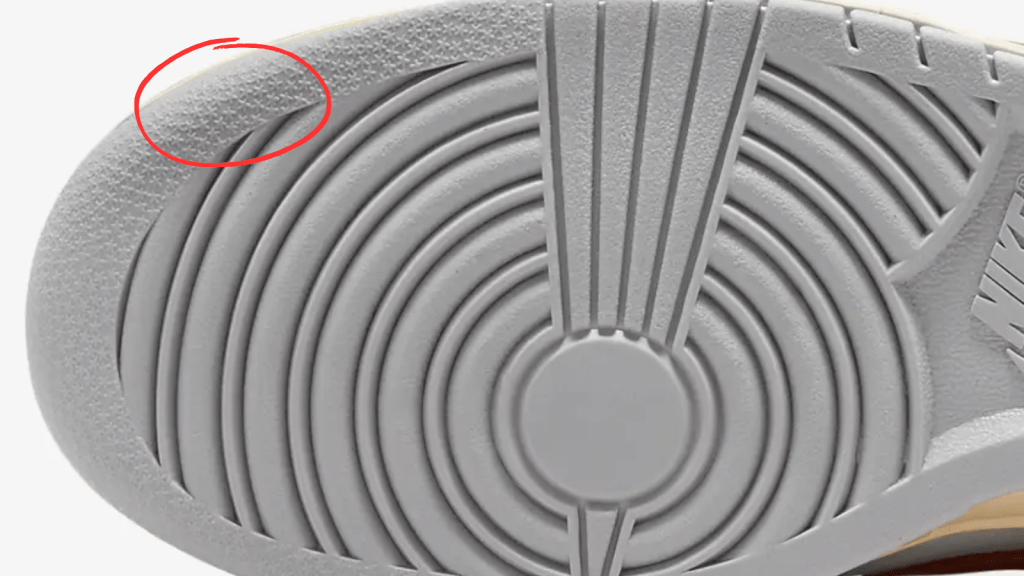
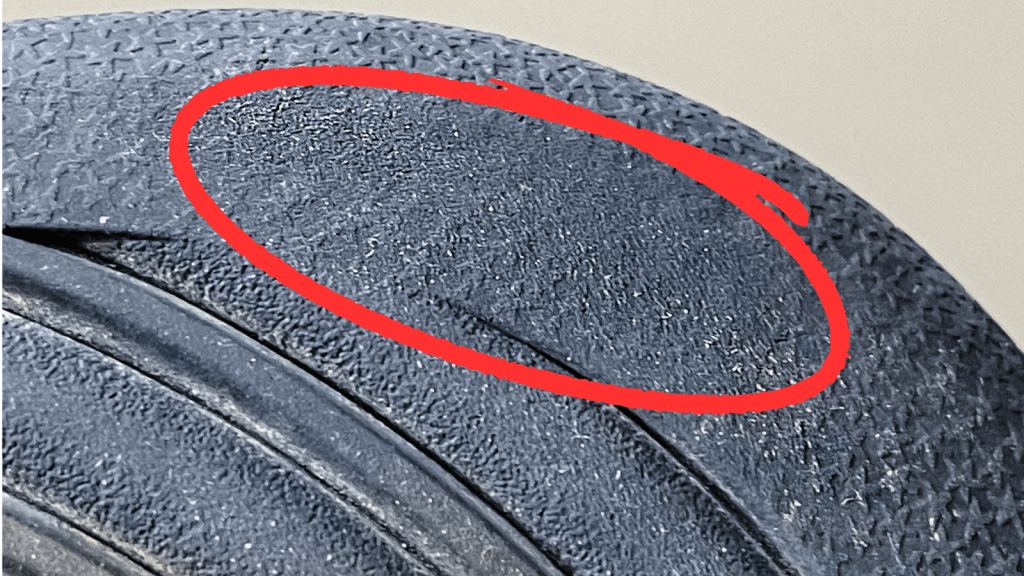
Star loss of star fade occurs when a Nike sneaker is worn over time. The stars are very similar to tread on a tire. They are a good way to judge how much a sneaker has been worn. Over time the stars fade away creating the well known phrase. This concept is often discussed when dealing with used sneakers. You can easily judge how much a shoe has been worn by looking at how much the star pattern has been faded.
The stars on the sneaker also serve as a sign of authenticity. Some replica sneakers may have simple dimples here instead of stars. To learn more about how to identify replica sneakers check out our article about how to tell between real or reps.
What is star loss?
Star loss on sneakers refers to the wearing away of the star pattern on the bottom of the shoe, usually on the forefoot of the outsole. It is a common sign of use and can affect the value of sneakers, especially for collectors or resellers. Some sneakers that have stars on the outsole are Jordan 1s, Jordan 4s, Jordan 5s, Dunks, and Air Force 1s.
The star pattern on the outsole is not just for aesthetic purposes. It also provides traction and grip for the wearer, especially on slippery surfaces. Therefore, star loss can also affect the performance and comfort of sneakers.
How does star loss happen?
Star loss happens due to friction and abrasion between the outsole and the ground. The more you wear your sneakers, the more likely they are to lose their stars. However, some factors can accelerate or worsen star loss, such as:
- The type of surface you walk or run on. Rough or uneven surfaces can cause more damage to the outsole than smooth or soft ones.
- The weight and pressure you put on your sneakers. Heavier or faster wearers can cause more wear and tear to the outsole than lighter or slower ones.
- The quality and durability of the outsole material. Some outsoles are more resistant to star loss than others, depending on their composition and thickness.
Photo example of the stars fading:
How to prevent star loss?
The best way to prevent star loss is to reduce the frequency and intensity of wearing your sneakers. However, this may not be feasible or desirable for some sneaker lovers who want to enjoy their shoes as much as possible. In that case, here are some tips to minimize star loss:
- Rotate your sneakers. Don’t wear the same pair every day. Give them some time to rest and recover from the stress they endure.
- Clean your sneakers regularly. Dirt and debris can get stuck in the grooves of the outsole and cause more friction and abrasion. Use a soft brush and mild soap to gently scrub away any dirt from the outsole.
- Avoid harsh surfaces. Try to walk or run on smooth or soft surfaces, such as grass, carpet, or rubber mats. Avoid rough or uneven surfaces, such as concrete, gravel, or metal grates.
- Use shoe protectors. There are some products that can help protect your outsole from star loss, such as sole shields, sole savers, or sole protectors. These are thin layers of material that you can stick or wrap around your outsole to create a barrier between it and the ground.
Understanding “Heel Drag”: The Counterpart to Star Loss
Heel drag is another sneaker condition often talked about in the same breath as star loss, particularly when it comes to beloved models like the Jordan 1s. Essentially, heel drag is an accelerated wear of the shoe’s heel area, typically most prominent on the corner.
The impact of heel drag goes beyond the mere aesthetics of your sneakers. Just like star loss, it’s an indication of the shoe’s usage history, and can affect the resale value, especially for collectors or resellers. The phenomenon of heel drag isn’t exclusive to the Jordan 1s; it’s noticeable on various sneakers that have a noticeable heel profile.
But the implications of heel drag extend beyond the value of your sneakers. The heel of your shoe plays a crucial role in providing stability and shock absorption. So, excessive wear in this area can compromise the sneaker’s performance, potentially affecting comfort during wear, especially on harder surfaces. This makes understanding and preventing heel drag as important as dealing with star loss.
Don’t be afraid to wear your sneakers!
While star loss can affect the value and appearance of your sneakers, it should not stop you from wearing them and enjoying them. After all, sneakers are made to be worn, not to be stored in a box or a closet. Wearing your sneakers shows that you love them and appreciate them, regardless of their condition. It also shows your personality and style, as well as your passion for sneaker culture. So don’t be afraid to wear your kicks, even if they get worn out. That’s what sneakers are made for.
If you want to find out how to cop authentic Jordans, Dunks and other hyped sneakers at retail you should check out our article about how to cop sneakers for retail. If you’re worried about authenticity we have you covered with our article about how to legit check Jordans or other sneakers. We even have all the details about sneaker slang and history like the infamous ‘checks over stripes’ lyric.
 Xylo News