
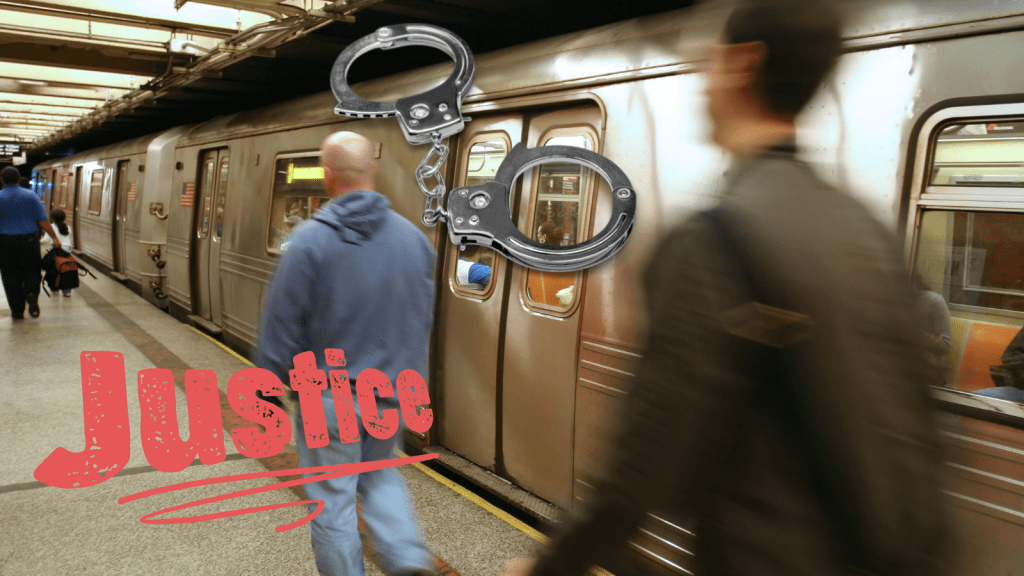
In a significant development that has captured the city’s attention, Daniel Penny, a 24-year-old Marine veteran, has been indicted by a New York City grand jury for the death of subway rider Jordan Neely, according to NBC News. This case has sparked widespread discussions on mental health, crime, and race, particularly in the context of public transportation, and has become a lightning rod for these pressing societal issues.
The Incident
On May 1, Penny and Neely found themselves on the same F train in Manhattan. According to witness Juan Alberto, Neely began expressing “somewhat aggressive speech,” stating he was hungry, thirsty, and indifferent to potential legal consequences. Consequently, Penny confronted Neely, leading to a physical altercation that ended with Neely in a chokehold on the train’s floor. This confrontation, recorded by a passenger, has since become a chilling testament to the tragic event.
The Victim: Jordan Neely
Neely, a known subway busker who often performed as Michael Jackson, was a familiar face to many New York subway riders. He was unconscious when first responders arrived at the Broadway-Lafayette Street/Bleecker Street Station. Tragically, he was later pronounced dead at a hospital. The city’s medical examiner declared his cause of death as “compression of neck (chokehold)” and classified it as a homicide. Neely had been struggling with mental health issues for years, particularly since his mother’s murder in 2007, adding another layer of tragedy to his untimely death.
The Indictment of Daniel Penny
Penny, who is white, claimed he acted in self-defense and to protect other passengers when he confronted Neely, who was Black. However, the grand jury’s indictment on a second-degree manslaughter charge indicates a different perspective. This incident has stirred memories of the 1984 shooting of four Black teenagers on a New York City subway by Bernhard Goetz, a white man who claimed he feared being mugged. The parallels between these two incidents, nearly four decades apart, underscore the persistent racial tensions and the urgent need for societal change.
The Aftermath and Broader Implications
The indictment of Penny is a crucial step towards justice for Neely and a moment of reckoning for the city’s approach to mental health, crime, and race. It highlights the need for better mental health support, particularly for vulnerable individuals like Neely. Moreover, it raises questions about the role of bystanders and the appropriate response to perceived threats in public spaces.
As this case unfolds, it serves as a stark reminder of the ongoing issues surrounding mental health, crime, and racial tensions in our society. The hope is that justice will be served for Jordan Neely, a man whose life was tragically cut short, and that this case will inspire meaningful conversations and actions towards societal change.
 Xylo News