
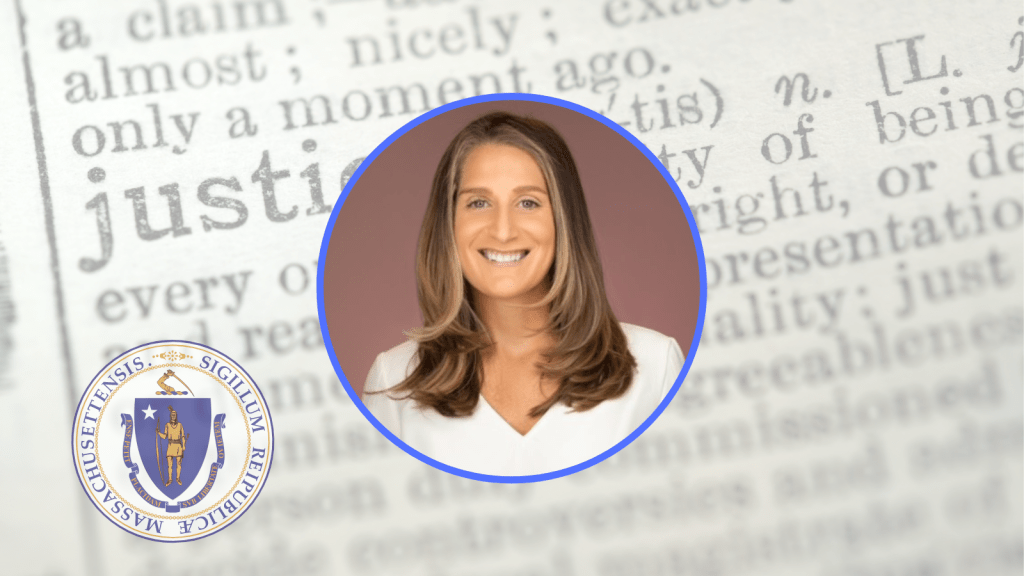
Governor Maura T. Healey took significant steps toward promoting a fairer justice system in Massachusetts. Firstly, she nominated Sarah B. Coughlin, a seasoned professional with diverse expertise, to the Massachusetts Parole Board. Moreover, she also recommended four additional individuals for pardons, continuing her commitment to reformation.
Sarah Coughlin: A Strong Addition to the Parole Board
Sarah Coughlin, currently serving as the Director of Community Engagement and Partnerships at Mass General Brigham, brings to the table a wealth of experience. Additionally, her roles as a community organizer, therapist, trainer, and expert witness vouch for her deep understanding of the criminal justice system.
“Sarah Coughlin has a wide range of experience in many critical areas that will inform her work on the Parole Board, including violence prevention, restorative justice, diversion, re-entry, substance use disorder and mental health services, and community engagement,” remarked Governor Healey. “She shares our administration’s commitment to making our criminal justice system more just and equitable for all and will be an excellent addition to the Parole Board.”
Expressing her gratitude, Coughlin said, “’m honored that Governor Healey and Lieutenant Governor Driscoll have placed their faith in me to serve on the Parole Board. I’ve spent my career working to improve community health and promote healing by addressing the inequities and traumas that lead to and result from involvement in the carceral system. I look forward to working with my colleagues on the Parole Board and the Healey-Driscoll Administration to make our communities safer and more just.”
Healey Continues Commitment to Clemency
In addition to Coughlin’s nomination, Governor Healey’s commitment to justice reform shines through her recent recommendations. Previously, during the summer, Healey was the first Massachusetts Governor in over three decades to recommend pardons in her inaugural year, securing pardons for seven individuals. The recommendations include Joanne Booth, Murphy Smith, Evan Willey, and Kenny Jean.
“When we recommended our first round of pardons earlier this year, I said that we were doing it because justice can’t wait. This second round reflects our continued commitment to that principle,” Governor Healey emphasized. “These four individuals are deserving of pardons for offenses that they committed a long time ago, and they have since taken productive steps to improve their lives and give back to their communities. Our administration believes that clemency is a powerful tool to ensure that our criminal justice system is just and equitable.”
Lieutenant Governor Driscoll added, “These four individuals include a child care worker, a public servant, a marine and a committed volunteer. These pardons will make a significant impact on their lives and help them to truly move forward from crimes that they committed a long time ago. We are grateful to the Governor’s Council for acting quickly to approve our first round of pardons, and we look forward to work with closely with them to advance these recommendations as well.”
Understanding the Clemency Process in Massachusetts
The power to grant executive clemency lies with the Massachusetts Governor, who can offer both pardons and commutations. However, this is subject to the advice and consent of the Massachusetts Governor’s Council. A pardon essentially forgives the offender’s underlying offense. Before reaching the Governor, the Advisory Board of Pardons reviews all petitions for clemency.
Profiles of Those Recommended for Pardons
- Joanne Booth: Convicted in 1979 and 1983, Booth found passion in early childhood education during her probation. Despite setbacks in 2021 due to her criminal background, Booth, a mother of two, remains dedicated to education.
- Murphy Smith: After his conviction in 1988, Smith overcame mental health struggles and built a stable career. He is presently a Personnel Specialist for the State of Maryland Spring Grove Hospital.
- Evan Willey: Denied entry into the Marine Corps in 2009 due to a conviction, Willey later served honorably and even sustained injuries in Afghanistan. Today, he plays a crucial role at the Department of Veteran’s Affairs and is a family man involved in community sports.
- Kenny Jean: Jean’s 2016 conviction for armed robbery stemmed from desperate circumstances. Upon release, he collaborated with nonprofits and joined culinary training programs, indicating his commitment to growth and community.
 Xylo News