
The Healey-Driscoll Administration has unveiled a $7.9 million grant to fortify Massachusetts’ coastal communities against the adverse effects of climate change and boost coastal resilience in Massachusetts. Accordingly, these funds will support nineteen projects across the state, focusing on preparation for storms, storm surges, flooding, erosion, and rising sea levels. The Office of Coastal Zone Management (CZM) will oversee these initiatives, emphasizing proactive planning and shoreline management.
In the past year, Massachusetts experienced devastating damage due to extreme weather events. Consequently, the state recognizes the escalating need to address these climate impacts. As part of the larger effort, the grant program showcases the administration’s dedication to forging partnerships with local communities, aiming to expand and refine climate change solutions.
In the past year, we’ve seen extreme storms bring catastrophic damage across the state. We need urgent action to address these escalating impacts of climate change. Building resilience along our coastal communities is a matter of public health, safety, and a strong economy. This grant program demonstrates our administration’s commitment to working with our local partners to expand and improve climate change solutions.
Governor Maura Healey
The Importance of Coastal Resilience
Lieutenant Governor Kim Driscoll, having previously served as a mayor of a coastal town, understands the unique challenges that these communities face. Moreover, she emphasizes that the coastlines are an integral part of the state’s culture. Therefore, the grants are pivotal in ensuring that these areas can adopt practical strategies to uphold their quality of life amidst increasing environmental threats.
Since 2014, CZM has allocated more than $45.7 million to the Coastal Resilience Grant program. During this period, 219 projects received funding, which facilitated comprehensive planning, infrastructure updates, and shoreline restoration. These efforts collectively aim to mitigate the consequences of wave energy, erosion, and flooding.
Voices in Support
Energy and Environmental Affairs Secretary Rebecca Tepper highlighted the increasing vulnerability of the state’s coasts. She underscored that current investments in resilience would significantly aid in reducing future storm damages. Additionally, CZM Director Lisa Berry Engler expressed pride in the achievements of the Coastal Resilience Grant Program. Meanwhile, State Representative Josh Cutler pointed out the frontline challenges coastal towns face, emphasizing the grants’ role in safeguarding local economies and infrastructure.
Our coasts are facing intensifying impacts of climate change that are threatening essential facilities, infrastructure, and natural resources. Every dollar we invest now will help our communities lessen the damaging impacts of storms. We are proud to award this financial support to our coastal cities and towns as they work to improve resilience and safeguard public access to shorelines.
Energy and Environmental Affairs Secretary Rebecca Tepper
Highlighted Coastal Resilience Projects
Several notable projects benefiting from the Coastal Resilience Grants include:
- Barnstable: The town will enhance Sandy Neck Beach’s primary dune and relocate its parking lot to mitigate storm damage.
- Beverly: The city aims to assess Lynch Park’s vulnerability and devise resilience strategies, particularly focusing on seawall impacts.
- Braintree: The town will monitor a salt marsh restoration project at Watson Park and use the data to adapt management strategies.
- Chatham: Permitting, monitoring, and construction to protect Jackknife Beach. Additionally, Chatham will complete permitting for beach nourishment and tidal redirection projects near Stage Harbor and Morris Island.
- Cohasset: Roadway elevation, streetscaping, seawall repairs and other coastal resilience projects for the James Brook Watershed in addition to plans for the Town of Cohasset wastewater system flood resilience.
- Duxbury: A beach and dune restoration project will be launched, using 75,000 cubic yards of sand, gravel, and cobble.
- Hingham: The town will develop preliminary designs for a shoreline resilience project for Hingham Harbor, aligning with the Massachusetts Department of Transportation’s improvement plans.
- Hull: The Town of Hull will assess flood risks for the Department of Public Works and the Municipal Light Plant. Using nature-based solutions and community input, the town aims to mitigate the impacts of sea level rise and storm damage.
- Manchester-by-the-Sea: Manchester-by-the-Sea is set to enhance its coastal resilience. Initiatives include safeguarding critical infrastructure in the downtown area and hosting a community workshop for a floodable park design.
- Marshfield: Marshfield will initiate a beach nourishment project south of Green Harbor, complementing similar efforts in Duxbury. The goal is to restore about 3,000 feet of shoreline across both towns.
- Nahant: In Nahant, efforts will focus on securing permits for cobble nourishment and vegetation planting at Forty Steps Beach. This project seeks to address erosion, stabilize bluffs, and safeguard key infrastructure.
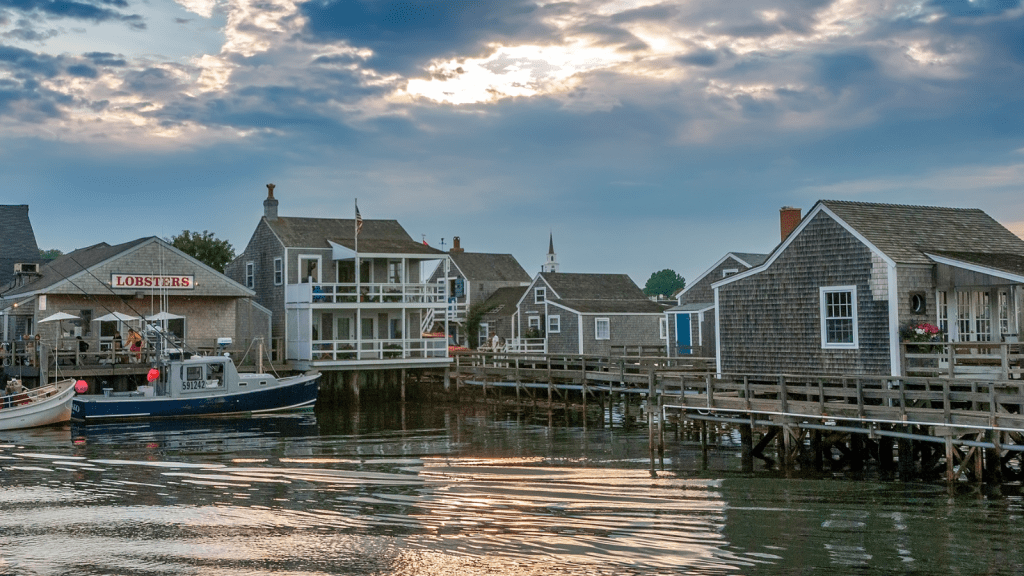
- Nantucket: Nantucket plans to design flood barriers for its downtown waterfront. Through community consultation and feasibility studies, options like road elevations will be explored to maintain accessibility.
- Oak Bluffs: Oak Bluffs will analyze flood and sea level rise vulnerabilities related to the transportation routes leading to Martha’s Vineyard Hospital, ensuring the island’s only hospital remains accessible.
- Salem: Salem’s Winter Island Park will undergo efforts to combat coastal erosion. Through community involvement and assessments, the city aims to conserve this significant recreational and historical spot.
- Scituate: Scituate will add 26,000 cubic yards of sand and gravel to North Scituate Beach. This beach nourishment will prolong the project’s lifespan and protect public assets and residences from coastal storm threats.
- Yarmouth: Yarmouth is set to draft three design concepts aimed at bolstering the resilience of Packet Landing Marina against sea level rise and storm surges.
The Role of the Massachusetts Office of Coastal Zone Management (CZM)
The Massachusetts Office of Coastal Zone Management plays a pivotal role as the primary agency for coastal and oceanic matters within the Executive Office of Energy and Environmental Affairs. Emphatically, CZM strives to harmonize human activities with the conservation of coastal and marine resources. Its multifaceted approach includes aiding coastal communities in addressing climate change challenges, collaborating with various partners to ensure sustainable oceanic development, and promoting the protection of coastal habitats and water quality.
 Xylo News