
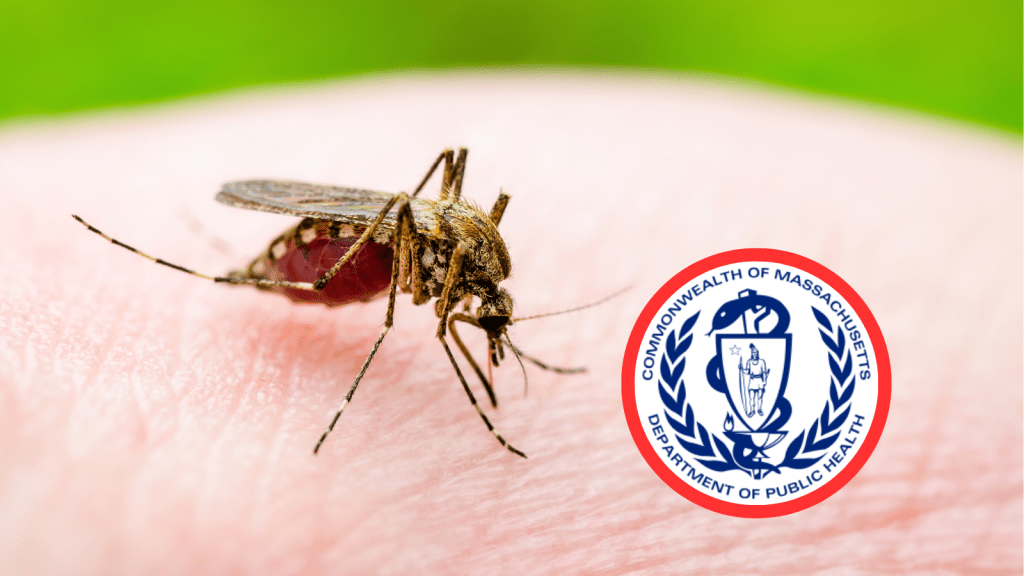
BOSTON – The Massachusetts Department of Public Health (DPH) has confirmed the sixth case of West Nile virus (WNV) in a state resident this year. The patient is a male in his 70s, believed to have contracted the virus in Middlesex County. This latest diagnosis underscores the continuing threat of mosquito-borne diseases in the region.
Massachusetts health officials have classified the risk of human infection with West Nile Virus as moderate in various counties, including parts of Greater Boston, Berkshire, Bristol, Hampden, Hampshire, Plymouth, and Worcester. However, there have been no changes in risk levels following this most recent case.
Persistent Risk Despite Changing Weather
As autumn progresses, officials warn that the threat from mosquitoes remains until areas experience a hard frost, typically marked by temperatures dropping below 28ºF. Consequently, residents are advised to maintain vigilance in avoiding mosquito bites while outdoors.
In 2022, Massachusetts saw eight human cases of West Nile Virus infection. The virus, primarily transmitted through mosquito bites, poses a higher risk of severe disease in individuals over 50 years old. Most infected persons do not exhibit symptoms, but when present, these can include fever and flu-like illness. In rare instances, WNV can lead to more severe health complications.
Effective Strategies to West Nile Virus
To mitigate the risk of WNV, health officials emphasize the importance of personal protective measures. Applying insect repellent with EPA-registered ingredients like DEET, permethrin, picaridin, oil of lemon eucalyptus, or IR3535 is crucial when spending time outdoors. It’s important to note that DEET products are not recommended for infants under two months, and oil of lemon eucalyptus should not be used on children under three years.
Additionally, being aware of peak mosquito hours, from dusk to dawn, can help in planning outdoor activities. Wearing long-sleeved clothing, long pants, and socks can also significantly reduce the risk of mosquito bites.
Mosquito-Proofing Homes and Protecting Animals
Homeowners are urged to take proactive steps in making their environments less hospitable to mosquitoes. This includes draining standing water where mosquitoes lay eggs and maintaining rain gutters and drains. Additionally, ensuring window and door screens are in good condition to keep mosquitoes outside is important.
Animal owners also play a critical role in reducing mosquito populations. They should eliminate standing water from their properties, especially after heavy rains. Keeping horses in indoor stalls at night reduces their exposure risk. Consultation with veterinarians about mosquito repellents and vaccinations for animals is also advised.
Staying Informed and Prepared
For up-to-date information on WNV and Eastern Equine Encephalitis (EEE), residents can visit the Arbovirus Surveillance Information web page at Mosquito-borne Diseases on Mass.gov. This resource, updated daily, provides comprehensive details on positive cases and preventive measures. Residents can also contact the DPH Division of Epidemiology for further guidance and information.
Growing Number of West Nile Virus Cases in Massachusetts
The fifth case of West Nile virus in Massachusetts, identified last month, involved a man in his 70s from Hampden County. This case, part of an ongoing trend seen this year, adds to the growing concerns about the spread of the virus in various regions of the state. Health officials continue to stress the importance of preventive measures against mosquito bites, especially in areas with moderate risk levels like Greater Boston and Hampden County.
 Xylo News