
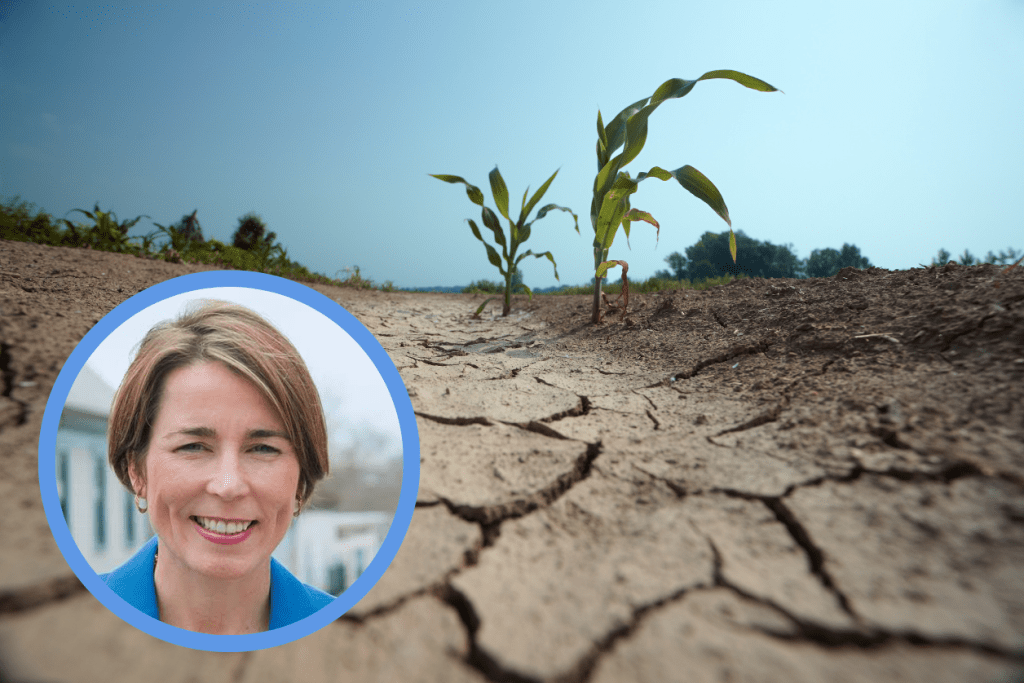
BOSTON — The Healey-Driscoll administration announced nearly $500,000 in grants Wednesday from Massachusetts’ first Drought Resiliency and Water Efficiency Grant Program. These funds, administered by the Executive Office of Energy and Environmental Affairs (EEA), will help communities across the state reduce water usage, improve drought management, and mitigate water loss.
Growing Challenges from Persistent Drought
Massachusetts has experienced increasingly severe drought conditions in recent years, linked directly to climate change. Seven of the last nine years have recorded extended drought periods, including several stretches rated at Level 3 – Critical Drought. The ongoing drought has persisted statewide for the last eight months, significantly impacting water supply systems, agriculture, and increasing wildfire risks.
Consequently, these persistent drought conditions prompted the Healey-Driscoll administration to launch the Drought Resiliency and Water Efficiency Grant Program. The program specifically addresses water conservation needs through various community-level projects aimed at reducing indoor and outdoor water use.
Grants Fund Diverse Range of Projects
The grants will finance multiple initiatives, including leak detection systems, water meter installations, drought management plans, and public education efforts. Each project seeks measurable improvements in water conservation and management, ensuring sustainability even as drought conditions intensify.
Particularly notable is the project in Fall River, where the Department of Community Utilities will receive $50,000 for advanced leak detection equipment and professional training. This initiative aims to rapidly detect and address leaks within the city’s extensive water distribution system, thereby reducing water loss significantly.
Similarly, the Metropolitan Area Planning Council (MAPC), which represents 101 municipalities around Boston, will utilize its $50,000 award to enhance collaboration among watershed groups. This effort will culminate in a comprehensive report detailing drought resilience and water conservation efforts across the region.
Supporting Small Communities and Rural Areas
Smaller and rural communities across Massachusetts will also benefit significantly from the grants. Franklin Regional Council of Governments (FRCOG), based in Greenfield, received $50,000 to conduct a needs assessment and to create educational resources for small water districts. These materials will support rural areas in reducing water usage during droughts.
Meanwhile, the Mass Rural Water Association, headquartered in Northfield, secured over $35,000 to purchase sophisticated leak detection equipment. This technology will enhance rural water suppliers’ abilities to quickly identify and fix leaks, crucial for smaller communities where resources are limited.
“Climate change is driving a rise in devastating wildfires and persistent droughts in recent years. Our communities need support to adapt and bounce back from these challenges,” said EEA Secretary Rebecca Tepper. “It is important that we fund projects that improve our readiness for droughts and help conserve water. This will empower municipalities and ensure a healthy water supply for future generations, especially as climate change continues to affect our water systems.”
Municipalities Boosting Local Water Efficiency
Groton’s Water Department received nearly $50,000 to develop a comprehensive drought management plan. The department will also calibrate large-diameter meters and strengthen leak detection capabilities. Additionally, the Springfield Water & Sewer Commission obtained more than $44,000 to invest in leak detection devices, significantly improving its operational efficiency.
The Dedham-Westwood Water District will expand its successful pilot program to install leak detection equipment on all 550 of its fire hydrants, further curbing water loss. Provincetown’s Water Department plans to introduce District Metered Areas (DMAs), enabling precise leak detection and efficient management of the town’s water resources, particularly critical given their reliance on a sensitive aquifer.
Targeted Residential and Agricultural Projects
In Ware, the Quabbin Sunrise Cooperative will install 65 state-of-the-art water meters featuring ultrasonic leak detection technology, funded by a nearly $50,000 grant. This upgrade will allow rapid identification of leaks within residential units, substantially improving water conservation at the community level.
Additionally, Needham’s award of roughly $13,400 will fund improvements to irrigation efficiency at Memorial Field. Upgrades include replacing outdated and leaking irrigation systems with high-efficiency equipment, significantly reducing water use for recreational areas.
Encouraging Conservation through Policy and Pricing
Cape Cod Commission will utilize its grant of over $44,000 to research water pricing structures designed to encourage conservation. The commission will analyze data from local water districts and develop recommendations based on successful strategies from other regions.
Moreover, the Town of Duxbury secured funding to create a comprehensive water conservation plan focusing on reducing non-essential outdoor water use. Meanwhile, the Town of Danvers, leading the North Shore Water Resilience Task Force, will assess regional priorities through targeted interviews, ultimately streamlining water management across multiple communities.
Long-Term Sustainability Efforts
Secretary of Energy and Environmental Affairs Rebecca Tepper emphasized that these projects are essential as climate change intensifies drought conditions statewide. By empowering local communities to adopt efficient water use practices and improve drought response capabilities, Massachusetts aims to safeguard water supplies for future generations.
Through targeted funding and strategic planning, the Healey-Driscoll administration is taking proactive steps to address drought resiliency, conserve critical resources, and prepare communities to better manage the growing impacts of climate change.
 Xylo News